


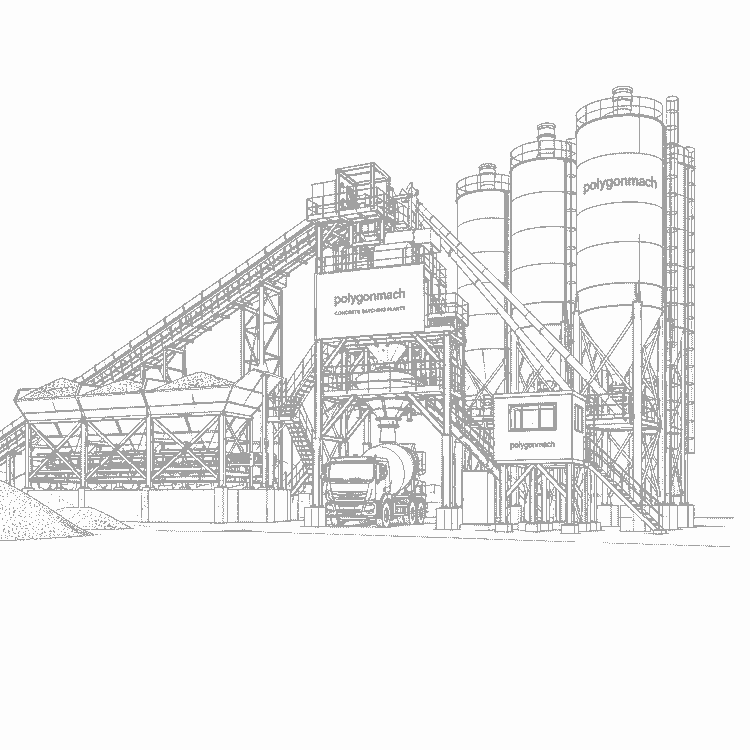

Mobile Concrete Batching Plant

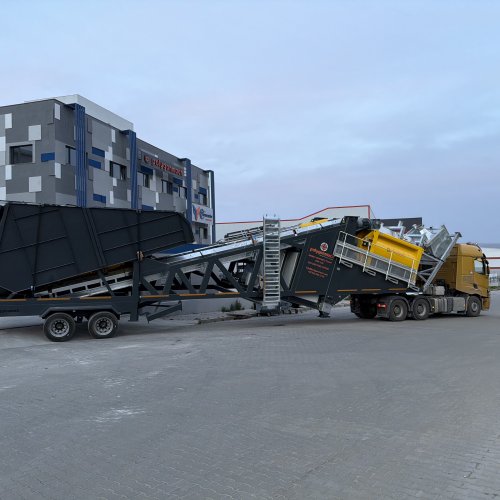
Mobile Concrete Plant Shipment to Latvia

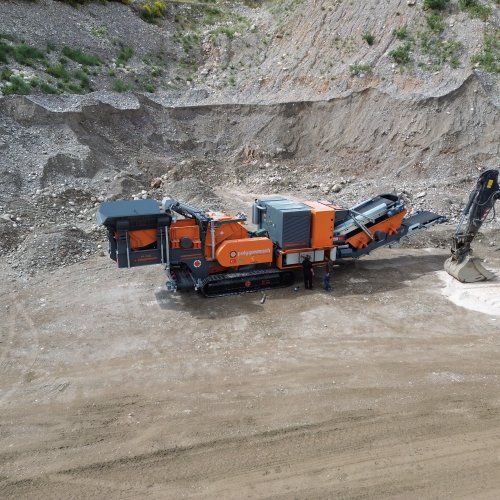
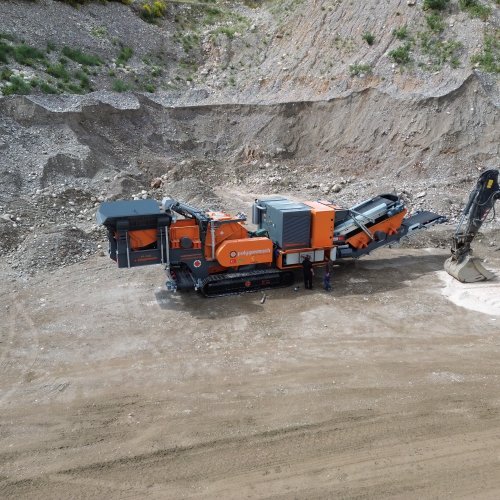
Track screen PTS155 embarked on and producing in our workshop.

Track screen PTS155 embarked on and producing in our workshop.

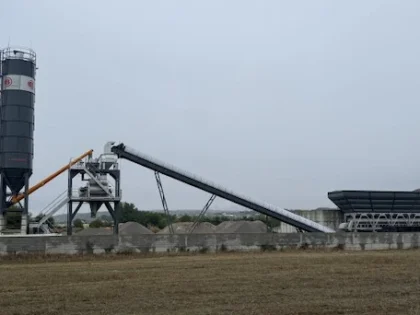
100m3 stationary plant put into service in BENIN

100m3/h stationary plant put into service in BENIN

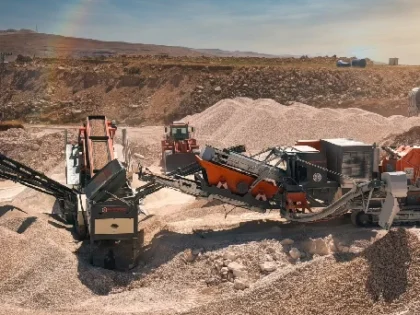
Our mobile concrete batching plant has entered service in Eastern Europe.

Our mobile concrete batching plant has entered service in Eastern Europe.

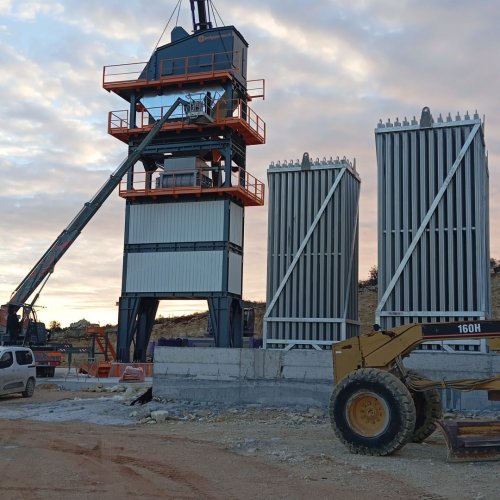
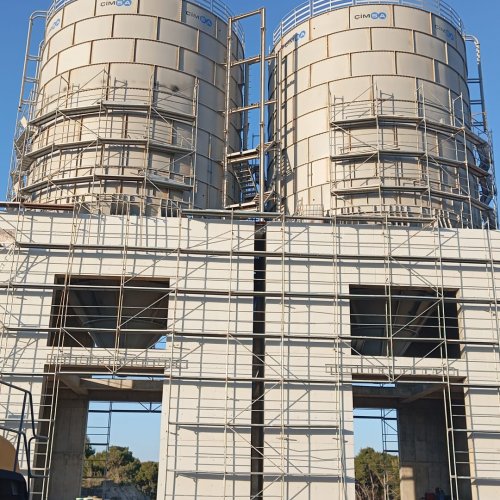
stationary plant in Kosova 100m3

100m3 stationary plant in BENIN

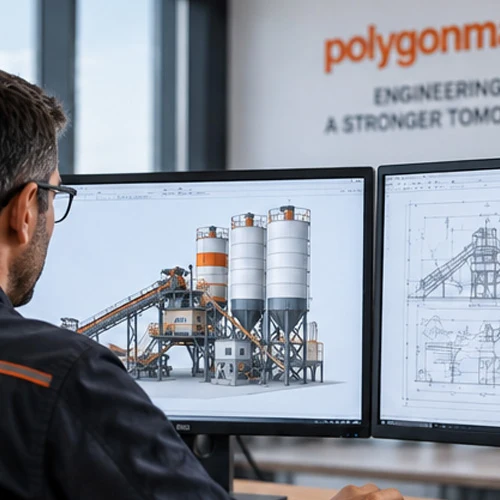
Design, Drawing, Planning and Modeling

With its 15 years of experience, Polygonmach prepares design, planning and calculations on a scientific basis.

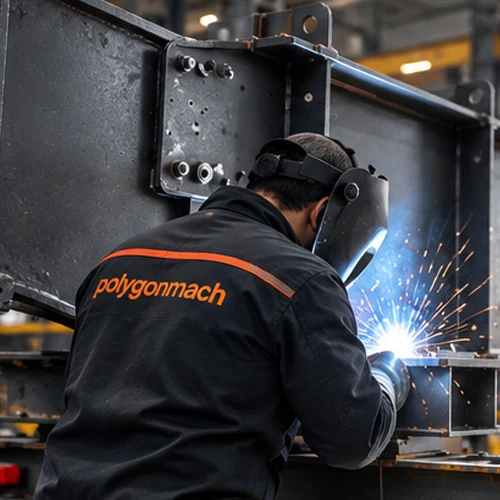
High Quality Manufacturing Services

Polygonmach produces its products using quality materials with its experienced and professional workforce and delivers its products on time.

Tailor Made Solutions for Your Requirements

Polygonmach has long-standing site experience to bring projects to real life.

Customer Satisfaction in Our Company

Polygonmach installs and commissions its products within a specific timeline, delivers them, and trains customers how to use it.

Asphalt Equipment Manufacturers


OUR PRODUCTS

Stationary Concrete Batching Plants

Stationary Concrete Batching Plants

Stationary batching plants is preferred for long term located projects. Polygonmach offers and serves such plants for customers which produces high volumes of concrete in short time period.

VIEW MORE
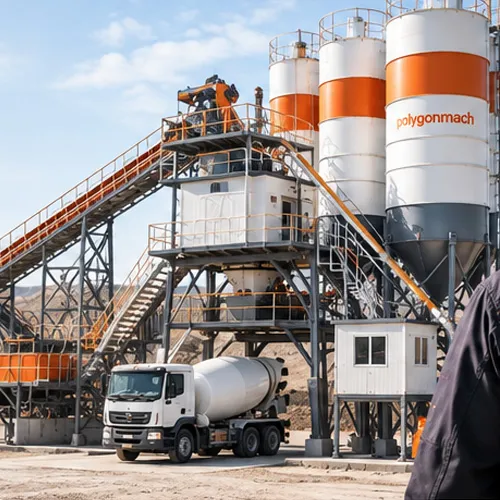
Mobile  Portable Concrete Batching Plant

Mobile Portable Concrete Batching Plant

Mobile plants consist of mobile concrete mixers are designed to be mobile and by this way are installed on towable chassis with wheels for maximum mobility and quick setup. 

VIEW MORE
Stationary Crushing and Screening Plants

Stationary Crushing and Screening Plants

Polygonmach designs and manufactures crushing and screening equipment with different configurations and capacity values ​​according to customer needs and preferences. 

VIEW MORE
Mobile Crushing and Screening/ Washing Plants

Mobile Crushing and Screening/ Washing Plants

Polygonmach Mobile Crusher Plant: In addition to this, you need to know more about it. Polygonmach manufactures different sizes and types of mobile crushing plants.

VIEW MORE
Stationary Batch Type Hot Mix  Asphalt Plants

Stationary Batch Type Hot Mix Asphalt Plants

Polygonmach can produce mobile or fixed asphalt plants with capacities . High quality asphalt plant are produced with experienced staff.


VIEW MORE
Mobile Hot Mix Batch Type Asphalt Plants

Mobile Hot Mix Batch Type Asphalt Plants

Polygonmach can produce mobile or fixed asphalt plants with capacities.High quality asphalt plant are produced with experienced staff.


VIEW MORE

FREQUENTLY ASKED QUESTIONS


CONTACT US

Güvenlik Kodu : 533xs


NEWS

What Should Be Considered When Choosing a Cement Silo?

What Should Be Considered When Choosing a Cement Silo?

What should be considered when choosing a cement silo? For businesses in the construction, ready-mix concrete, and building materials sectors seeking the right storage solution, factors such as capacity, silo type, material quality, installation area, and intended use should all be evaluated together. A cement silo is an important piece of equipment that ensures cement is safely stored while being protected from external conditions. At the same time, it helps maintain a smooth and organized material flow throughout the production process.

When choosing a cement silo, the company’s daily production needs, site conditions, and long-term operational expectations should first be taken into account. The most suitable silo model may not be the same for every project. While mobile solutions may offer more advantages for some businesses, fixed or screw-type segmented silos may provide more efficient use in certain facilities. A correctly selected cement silo not only simplifies the storage process but also offers significant advantages in terms of material safety and operational efficiency.

Why Is the Intended Use Important in Cement Silo Selection?

The first factor to evaluate when selecting a cement silo is the intended use of the equipment. This is because every business has different production systems, site structures, and storage requirements. While continuous and high-volume material flow is critical for a ready-mix concrete production facility, an easily transportable and quickly installable model may be more advantageous for a temporary construction site. Therefore, the selection process should consider not only tonnage or external appearance, but also working conditions and operational expectations.

If the intended use is not correctly identified, the selected system may fail to provide sufficient efficiency for the business in the long term. For example, a model to be used in a fixed production facility does not require the same features as a solution that must be transported to different locations. Similarly, technical requirements may vary in projects where not only cement, but also different powdered materials such as sand, fly ash, slag, or lime will be stored.

The following questions should be clarified before selection:

  • Will the silo be used in a fixed facility?
  • Is the project temporary or long-term?
  • What is the level of daily production volume?
  • Will only cement be stored, or will other dry bulk materials also be stored?
  • Are there any height, space, or access limitations on-site?
  • Is portability important for the business?

The answers to these questions make it easier to determine the correct model. As a result, the business can choose a storage solution that is more suitable both for current needs and for future production expectations.

How Should Capacity and Storage Requirements Be Determined?

When determining capacity, the business’s daily cement consumption should first be analyzed. The production volume of the concrete batching plant, the working pace of the construction site, and the frequency of material supply are the main determining factors at this stage. While more compact models may be sufficient for low-consumption projects, facilities with intensive production may require larger storage volumes.

Storage requirements should not be determined solely based on current consumption levels. The potential growth of the project, possible future increases in production capacity, and delays that may occur in supply processes should also be considered. Insufficient capacity may lead to frequent refilling requirements and disrupt production flow. Choosing the right capacity not only prevents unnecessary costs but also supports production continuity.

How Should the Cement Silo Type Be Selected?

The type of cement silo should be determined according to the structure of the project and the intended area of use. There are many models on the market designed for different needs, and each model offers different advantages. While some systems stand out with their easy transportability, others are preferred due to their high durability, strong body structure, or ease of access. Therefore, the correct selection should be based not only on the product’s technical specifications but also on actual site conditions.

The operational structure of the business should be analyzed in detail when determining the silo type. In facilities with fixed production, models with long service life and durable body structures may be more suitable. On the other hand, mobile solutions provide more practical use for companies operating on different construction sites. Horizontal models can also offer advantages, especially in areas with height limitations.

The following criteria should be considered when selecting a model:

  • Permanent or temporary use of the site
  • Need for transportation and reinstallation
  • Type of material to be stored
  • Width and height of the installation area
  • Ease of filling, discharge, and maintenance
  • Flexibility required during the production process
  • Access to technical service and spare parts

Choosing the correct type helps the production line operate more smoothly. At the same time, it simplifies maintenance processes, improves material flow, and enables more efficient management of site operations.

Screw-Type Segmented Kit Cement Silo and Mineral Silo

The screw-type segmented kit cement silo is one of the models that offers ease of transportation and assembly thanks to its modular structure. These systems provide advantages especially in projects where shipment processes need to be managed more practically.

The segmented structure allows the silo to be transported in separate sections and assembled on-site. This feature simplifies transportation planning and may reduce some of the difficulties encountered when transporting large-volume equipment. This structure is especially useful for shipments to remote areas or sites with limited accessibility.

This model can be considered not only for cement storage needs but also for storing minerals and similar dry bulk materials. Thanks to their modular structure, screw-type segmented silos can be adapted to different project requirements, making them a strong option for businesses seeking flexible use.

Horizontal Low-Level Cement Silo

The horizontal low-level cement silo is a practical solution that can be preferred in areas where vertical models are not suitable. Thanks to its lower design, it offers advantages especially in projects with height limitations.

In this type of system, maintenance, inspection, and access processes can be managed more easily. The structure close to ground level allows users to access filling and discharge areas more comfortably. Therefore, horizontal models stand out in projects that require continuous inspection or practical on-site use.

Horizontal low-level silos can especially be considered for temporary construction sites, compact workspaces, and applications requiring quick installation. The height advantage provides convenience not only during installation but also during daily use. In this respect, it is a site-friendly, easily accessible, and functional storage solution.

Monoblock Welded Cement Silo: Mineral Silo

The monoblock welded cement silo is among the durable models that stand out with their single-piece body structure. Its welded production structure provides a strong and reliable solution, especially for facilities planned for fixed use.

These silos may be suitable for businesses that will operate in the same area for a long period of time. The single-piece structure makes the installation process different from segmented systems and may offer advantages in fixed installation requirements. This model can be considered for concrete batching plants, industrial production facilities, and projects requiring high continuity.

Monoblock welded systems are important not only in terms of durability but also in ensuring regular material flow. When used together with the right technical equipment, storage, discharge, and feeding processes to the production line can proceed more efficiently.

Mobile Cement Silo

The mobile cement silo is a solution developed for projects requiring portability. It is especially a functional model for businesses operating on different construction sites and wishing to move their equipment to another location once a project is completed.

Its mobile structure provides flexibility during site changes. Instead of remaining dependent on a fixed storage unit, it can be used in different areas where production is required. This provides advantages in terms of time management, especially in infrastructure projects, road construction works, and short-term construction operations.

Ease of installation is also an important criterion in mobile models. A system that can be quickly commissioned may accelerate project startup processes and simplify site organization. Therefore, mobile silo selection can be an efficient solution for companies with dynamic operational structures.

Cement Bag Silos and Cement Bag Systems

Cement bag silos and cement bag systems can be preferred to organize storage and feeding processes in areas where bagged cement use is required. These systems are suitable for businesses seeking alternatives or complementary solutions to bulk cement usage.

Bag systems may provide advantages especially in applications requiring more controlled material usage. Proper stock management helps bagged products be used more systematically on-site.

This solution may not be a standard preference for every business; however, it can make operations more organized in facilities working with bagged cement. When the intended use area, production type, and feeding requirements are correctly analyzed, cement bag systems can provide a practical and organized storage structure.

Why Polygonmach Cement Silos?

Polygonmach cement silo solutions stand out with a wide product range capable of meeting different project requirements. The company’s product category includes screw-type segmented kit silos, horizontal low-level silos, monoblock welded silos, mobile silos, and cement bag systems. This variety helps businesses choose the most suitable model according to site conditions, intended use, and storage expectations instead of being limited to a single solution.

One of the key advantages of Polygonmach products is their adaptability to different operational scenarios. Durable and long-lasting models can be preferred for fixed concrete batching plants, while mobile or horizontal solutions may be more functional for temporary construction site projects. Bag systems, on the other hand, provide an alternative structure for businesses with different feeding and storage requirements. In this way, the brand offers not just a product, but a storage approach that can be shaped according to the project.

The following are the key highlights of Polygonmach cement silo products:

  • Model options suitable for different site conditions
  • Use for cement and various dry bulk materials
  • Fixed, mobile, horizontal, and modular solutions
  • Designs providing ease of installation and operation
  • Product structures suitable for concrete batching plants, construction sites, and industrial projects
  • System options supporting storage, discharge, and material management

Choosing the right silo is extremely important for maintaining an organized production process and improving material management efficiency. With its wide product range designed for different needs, Polygonmach helps businesses determine the most suitable solution according to project conditions. You can contact Polygonmach to evaluate the most suitable model for your project, choose the correct silo type according to your area of use, and make your storage process more efficient.

VIEW MORE
Polygonmach at CTT Moscow 2026

Polygonmach at CTT Moscow 2026

Polygonmach is proud to participate in CTT Moscow 2026, one of the largest construction machinery and technology exhibitions in Russia.

During the exhibition, taking place between May 26–29, 2026 in Moscow, we will present our asphalt plants, concrete batching plants, mobile crushing & screening systems, and industrial production solutions to international industry professionals.

As highlighted throughout the event, the exhibition focuses on:
✅ Innovative solutions
✅ Efficiency and reliability
✅ Long-term business partnerships

At Polygonmach, we continue to strengthen our global presence with high-performance production technologies and extensive experience in international projects.

Date: May 26–29, 2026
Location: Moscow, Russia
Exhibition: CTT Moscow 2026
Stand: Pavilion 2 – Stand 5-15

We invite you to discover Polygonmach’s strong engineering infrastructure and advanced industrial production technologies at our stand.


Polygonmach at CTT Moscow 2026

VIEW MORE
What Is an Asphalt Plant and What Does It Do?

What Is an Asphalt Plant and What Does It Do?

An asphalt plant is one of the most critical components of road construction and maintenance projects. In these facilities, aggregate, bitumen, and necessary additives are mixed in specific ratios to produce hot mix asphalt. The quality of the resulting asphalt is directly influenced by how consistently and precisely the production process is managed. For this reason, asphalt plants are considered an indispensable part of modern transportation infrastructure.

Thanks to their high production capacity and technical equipment, asphalt plants offer significant advantages in large-scale projects. Rapid and standards-compliant asphalt production is particularly crucial in the construction of highways, urban roads, and airport runways. New-generation, environmentally conscious plants, meanwhile, offer more advanced features in terms of energy efficiency and emission control. This ensures both an economical and sustainable production process.

What Is an Asphalt Plant Used For?

Since the traffic load, climate conditions, surface characteristics, and project standards vary, not every asphalt mixture is prepared with the same composition. The plant ensures controlled production by combining raw materials in the correct proportions according to these varying needs. This aims to reduce issues such as cracking, deterioration, deformation, or premature wear on the road surface. 

These facilities also play a crucial role in planning and monitoring production. The durability properties of asphalt used in areas such as roads with heavy traffic, access roads, intersection layouts, industrial zones, and airport runways are of critical importance. Asphalt plants deliver reliable results in such projects through temperature control, dosing precision, and production tracking.

The function of an asphalt plant is not limited to production alone; it also offers economic, technical, and operational benefits. The plant’s role becomes particularly prominent in projects requiring consistent production. Its main benefits can be summarized as follows:

  • It ensures the precise preparation of an asphalt mix design tailored to the project.
  • It provides continuity in large-scale projects through high-volume production.
  • It assists in the consistent execution of quality control processes.
  • It supports cost management by reducing material waste.
  • It contributes to the preparation of asphalt for delivery to the site at the standard temperature.

As a result, the asphalt plant is a fundamental system that directly impacts the quality, speed, planning, and sustainability aspects of road construction.

How Does an Asphalt Plant Work?

The asphalt plant operates on the principle of processing different raw materials within a specific production flow and then converting them into a homogeneous asphalt mixture. In the first stage of the process, aggregate types are placed in separate compartments and fed into the system in a controlled manner. These materials then pass through the drying unit to be dehumidified and brought to the required temperature. In the next step, the aggregate is screened and classified by size. 

This ensures the desired particle size distribution specified in the recipe is achieved with greater precision. Subsequently, bitumen and, if necessary, additional materials such as filler are added in measured quantities. In the final stage, all components are combined in the mixer to produce hot asphalt ready for use.


Although this workflow may appear linear at first glance, it is actually a multi-stage system requiring high precision. The proper functioning of each unit directly determines the quality of the final product. 

The fundamental processes that clarify the operational logic of an asphalt plant can be summarized under the following headings:

  • Controlled feeding of aggregate into the system
  • Drying the material and heating it to the target temperature
  • Screening and classification by size
  • Adding bitumen and mineral additives according to the recipe
  • Preparation of the final asphalt by creating a homogeneous mixture

Aggregate feeding

Aggregate feeding is the starting point of the asphalt production process and one of the fundamental stages that affects the quality of the entire mixture. Aggregate consists of crushed stone, gravel, sand, and similar mineral materials. Since these materials have different particle sizes, they are stored in separate bunkers at the plant site. Controlled feeding of each aggregate type into the system is of great importance for the accuracy of the asphalt mix design to be prepared later. 

During feeding, belt systems or dosing mechanisms beneath the bunkers come into operation. These systems ensure a balanced flow into the production line by regulating the amount of each aggregate that moves forward. If materials with high moisture content or irregular particle size distribution are used, the system’s efficiency may decrease. Therefore, not only the quantity but also the physical condition of the aggregate is closely monitored. Imbalances in the feeding section can lead to temperature variations, screening issues, and disruptions in mixture homogeneity in later stages of production. Consequently, this stage is considered one of the most critical control points in the production chain.

Drying and heating process

The drying and heating process ensures that the aggregate fed into the plant is brought to the physical conditions suitable for asphalt production. Since aggregates are stored in open areas, they naturally contain a certain amount of moisture. This moisture must be removed from the system because wet material cannot bond properly with bitumen. Additionally, insufficiently heated aggregate prevents the mixture from reaching the target temperature and makes it difficult for the asphalt to perform as desired during paving. For this reason, a drying drum or similar heating unit is used in the plant to both dry the material and bring it up to the specified temperature range.

At this stage, as the aggregate moves through the rotating drum, it is exposed to a stream of hot air generated by the burner. The continuous movement of the material within the drum ensures a more even distribution of heat. The objective here is not merely to heat the aggregate, but to do so without reducing combustion efficiency or damaging the material’s structure. Overheating leads to energy waste, while insufficient heating can prevent the binder from performing as desired in the final mixture. Therefore, temperature control requires great precision. A balanced process is maintained by evaluating the drum rotation, burner settings, and material flow rate together.

Screening and grading stage

The screening and grading stage is the section where the heated aggregate is separated according to particle size and prepared to meet the asphalt mix design specifications. The hot aggregate exiting the drying drum is transported upward via an elevator system and passed through vibrating screens. Since these screens have different mesh sizes, coarse and fine materials are classified into separate fractions. This ensures control over the mineral structure to be used in the asphalt mixture. The durability, void ratio, and compaction performance of the road pavement depend largely on the accuracy of this particle size distribution. Therefore, the screening process is indispensable for the technical quality of production.

The classified aggregates are then temporarily stored in hot silo compartments. Materials of different sizes are kept separate in each compartment and drawn off in the appropriate proportions according to the recipe during mixing. If the screening system does not function properly, the mixture’s granulometric structure is compromised. This can result in the asphalt having either an excessively porous or overly dense structure. Both scenarios negatively impact road performance. Especially on surfaces exposed to heavy traffic loads, issues such as deformation, cracking, or premature wear may arise more quickly if an appropriate particle size distribution is not achieved. Therefore, the condition of the screens, their vibration performance, and throughput efficiency must be regularly monitored.

Addition of Bitumen and Filler

The addition of bitumen and filler is a critical stage where the asphalt mixture acquires its binding and internal stability properties. Hot aggregates that have undergone screening and grading are weighed according to the recipe and then directed to the mixing section. At this point, bitumen is introduced into the system at the specified temperature and appropriate viscosity. Bitumen is the primary material that binds the aggregates together and largely determines the asphalt’s flexibility, adhesion, water resistance, and behavior under load. Whether the amount of bitumen used is too little or too much directly affects the mixture’s performance. Therefore, the dosing process must be carried out with the utmost care.

Fillers, on the other hand, are incorporated into the mixture as very fine mineral materials and serve as a crucial component that completes the internal structure of the asphalt. Typically, stone dust or similar fine materials are used as fillers. Fillers contribute to the formation of the mastic structure by combining with the bitumen and help balance the mixture’s void structure. They can also enhance the asphalt’s durability, regulate the mixture’s consistency, and positively influence surface performance. However, an uncontrolled filler ratio can make the mixture excessively hard or reduce workability. For this reason, the addition of filler is also based on engineering calculations, just like bitumen.

Mixing and Production of the Final Product

The mixing stage is the process where all raw materials in the plant are combined into a single, cohesive structure, resulting in the final form of the asphalt. Hot aggregates, along with measured amounts of bitumen and filler, are fed into the mixer. The objective here is to achieve a homogeneous mixture where all components are evenly distributed. If the mixing time is too short, the bitumen may not spread sufficiently over every surface of the aggregate; if it is too long, the material may suffer unnecessary heat loss or production efficiency may decrease. Therefore, the duration, temperature, and mixing intensity must be balanced. The quality of the final product depends directly on this final process.

During mixing, the goal is to ensure that each aggregate particle is coated with the binder. This enables the asphalt to perform as intended during the paving and compaction stages. If a homogeneous mixture is not achieved, some areas may have excess bitumen while others may be deficient. This situation can lead to irregular behavior on the road surface, premature deterioration, and a shortened service life. For this reason, mixer performance, drum design, mixing capacity, and discharge configuration are carefully monitored. The asphalt produced is transferred to transport vehicles within the appropriate temperature range and delivered to the site where it will be laid.

To obtain detailed information about asphalt plant solutions suitable for your project and to determine the system best suited to your needs, please contact Polygonmach.

VIEW MORE

Pioneer in Innovative Technology: Polygonmach

POLYGONMACH is a leading global manufacturer of concrete batchingplants, crushing screening plants, and asphalt plants. With TSE and ISO 9001 quality assurance certifications ans a commitment to innovation, quality, and customer satisfaction, we have established ourselves as a trusted name in the construction industry. Our extensive range of high-performance plants caters to the diverse needs of construction projects, ensuring efficiency, reliability, and durability.


Contact us

Quick Links

Quick Links

Quick Links