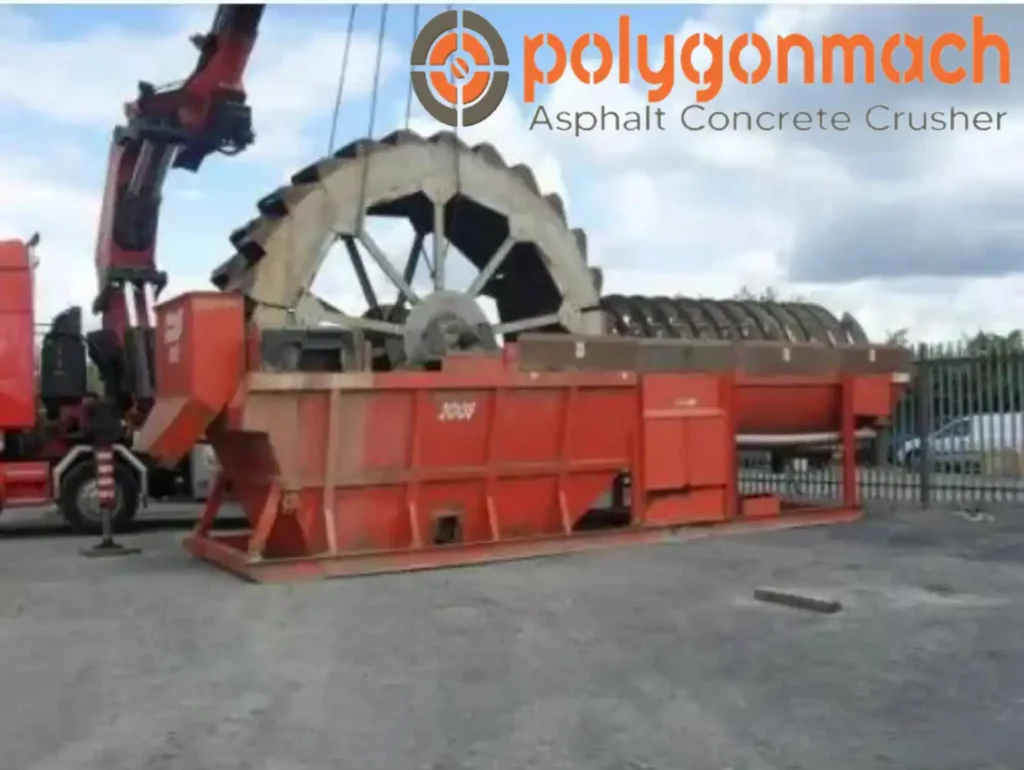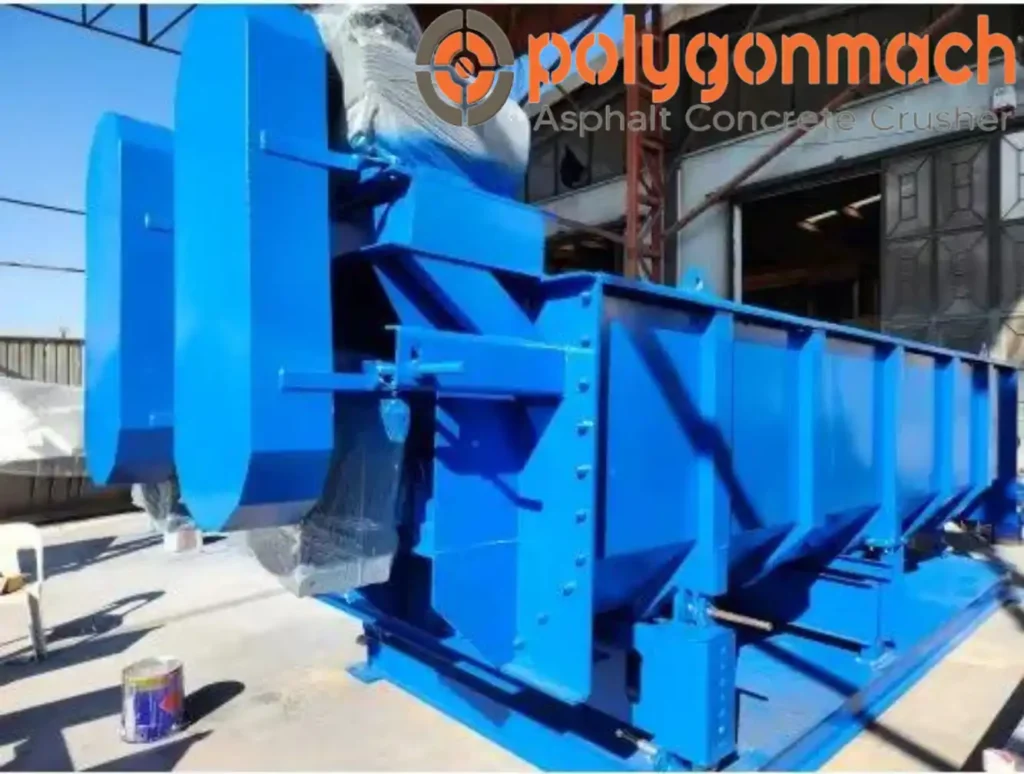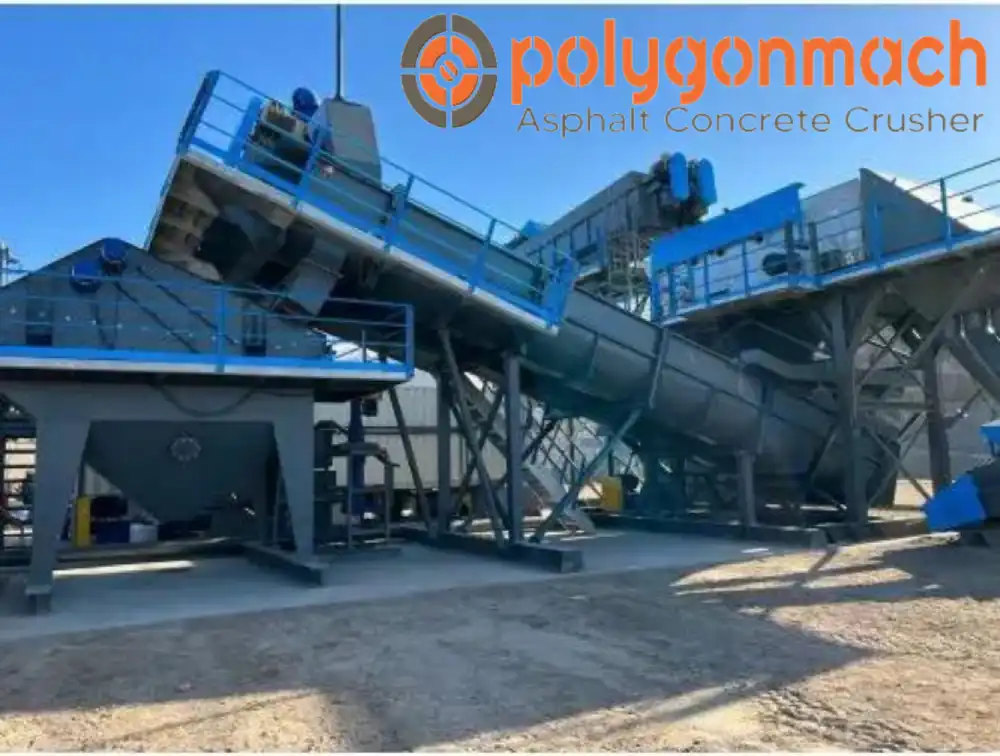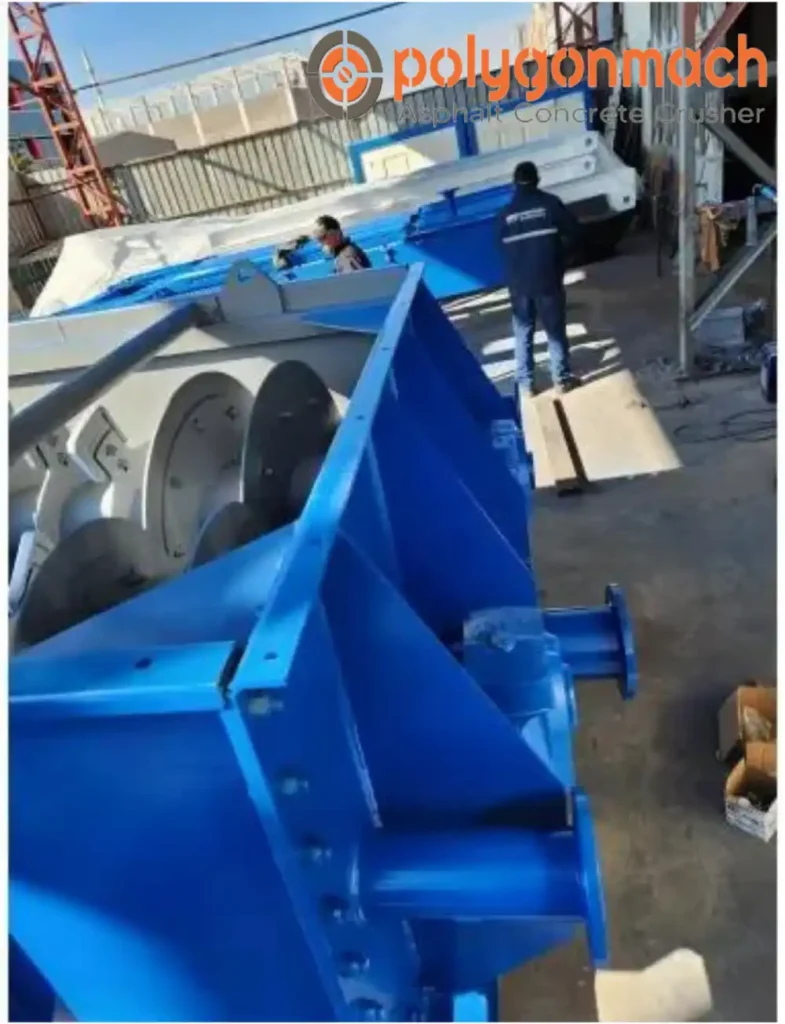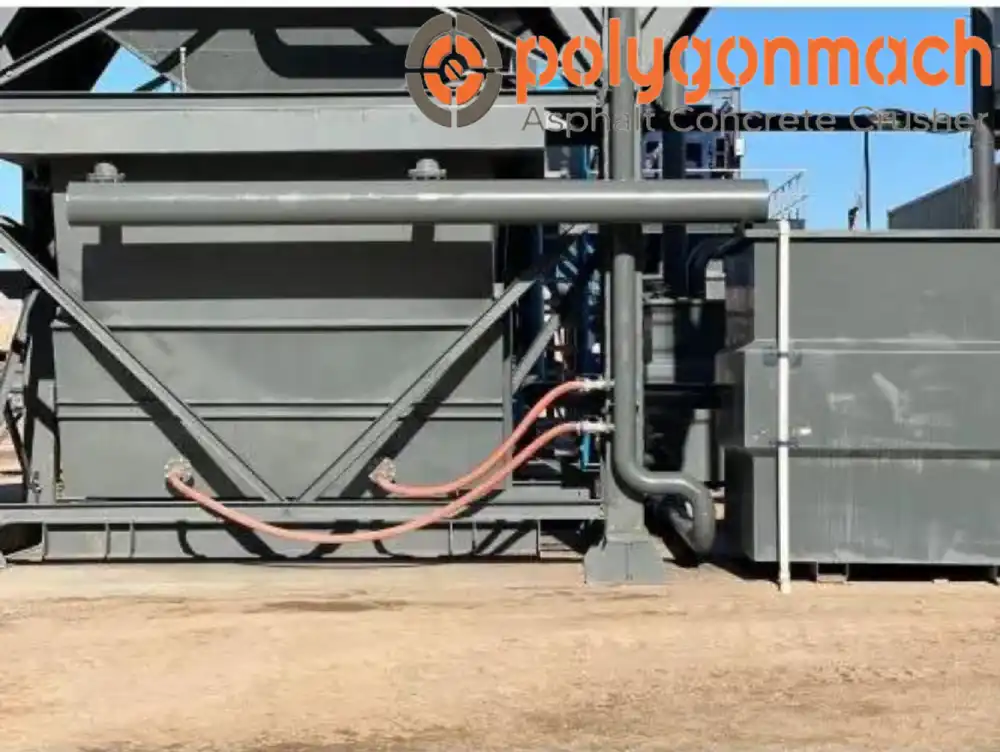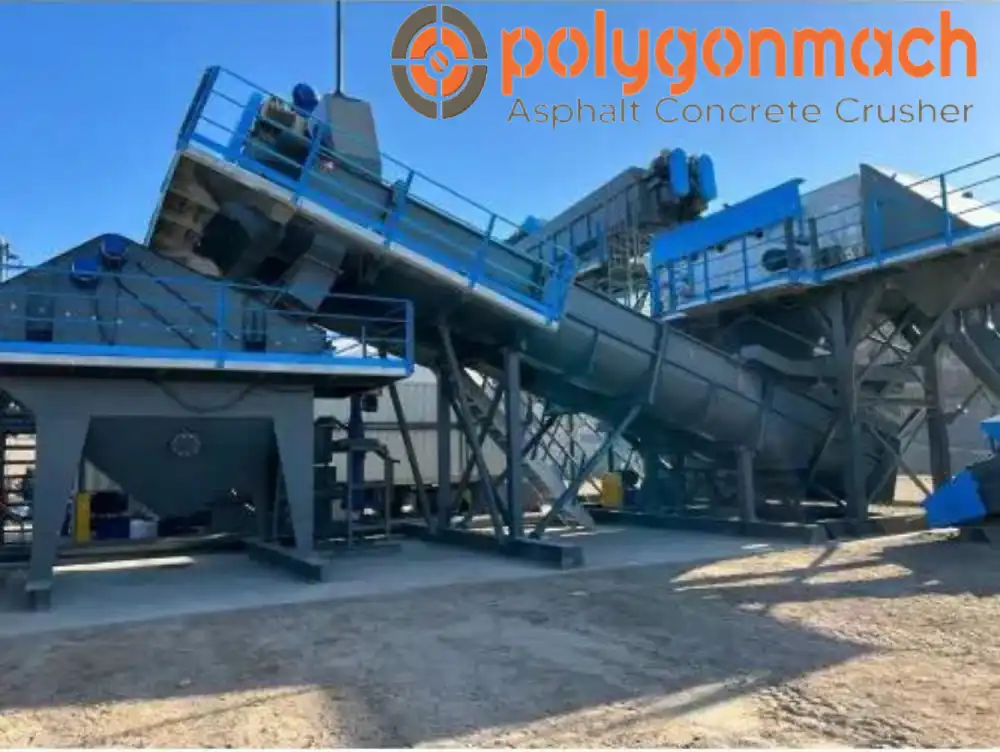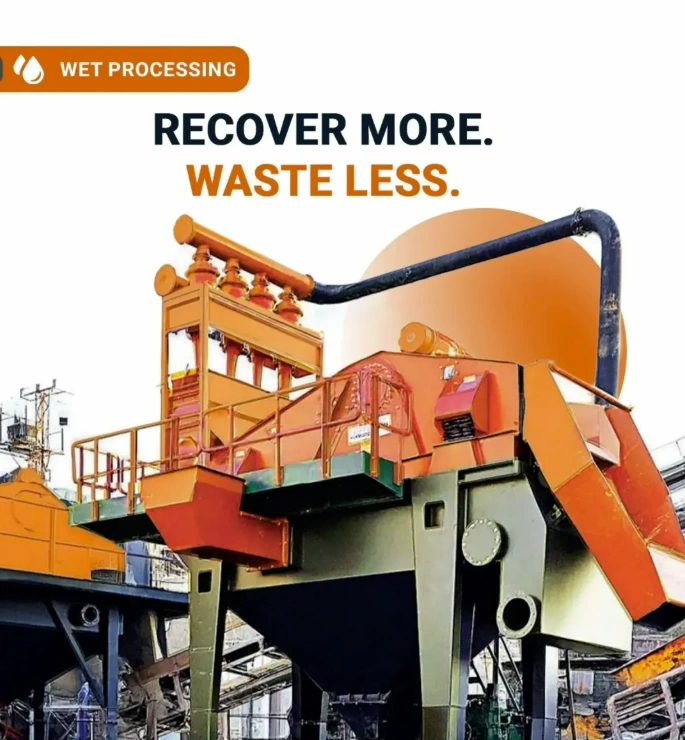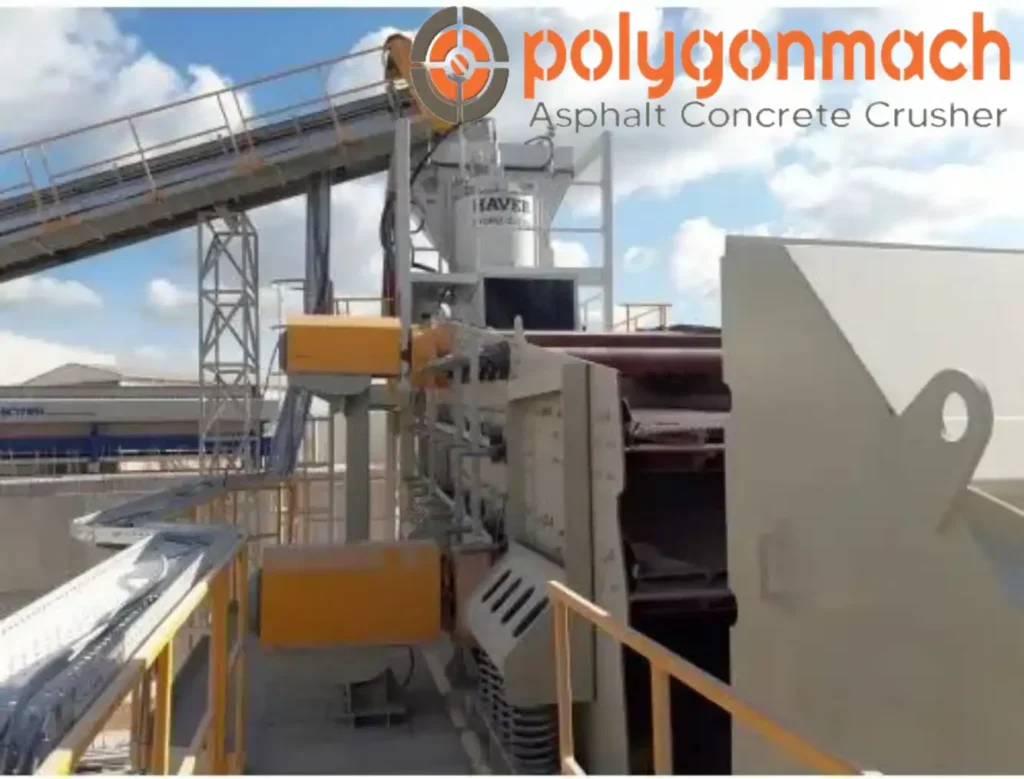


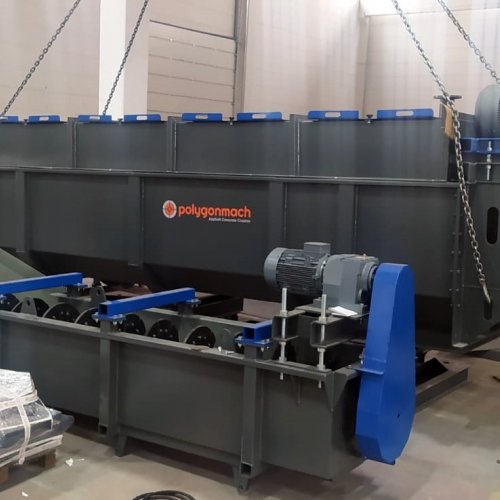
Wet processing and washing generally involve cleaning and separating materials through the combined action of water and mechanical forces. The process removes unwanted matter from raw materials such as ores, minerals, sand and gravel. Feed material first enters the washing plant and is thoroughly saturated with water. This initial soaking softens and loosens unwanted coatings, making them easier to separate from the valuable material. Inside the plant, high-pressure zones, paddles and water jets create intensive turbulence that scrubs and agitates the feed, removing dirt, clay, silt and other contaminants. Continuous water movement further releases these impurities and ensures thorough cleaning.
The slurry then typically passes through hydrocyclones or similar classification equipment, where centrifugal force provides density-based separation. High-speed rotation forces heavier particles toward the cyclone wall and downward to the underflow, while lighter impurities and slimes move upward and discharge through the overflow. Depending on process requirements, additional stages may recover ultrafine particles or further clarify the process water. The final result is clean, classified material prepared for a wide range of industrial applications.
Polygonmach solutions combining the washing power of water with centrifugal and vibrating screening technologies to produce high-quality materials free of clay, silt, and foreign contaminants.
High-flow pumps that continuously handle large water volumes and abrasive slurries, ensuring pressurized washing and reliable material transport.
Precision classifiers that use vortex flow and centrifugal force to grade fine sand while removing slimes and clay through the overflow.
Dewatering units that minimize residual moisture in washed sand and aggregates through high-frequency vibration and inclined polyurethane screen panels.
Machines equipped with heavy cast paddles and blades that use intensive mechanical scrubbing to break down and remove stubborn clay, sticky soil and coatings from rock.
Removal of soil, clay and rock impurities from ore deposits to provide clean feed for flotation circuits and magnetic separators.
Production of high-quality sand and gravel free from salt, clay and silt that could reduce concrete strength.
Physical washing of contaminated soil to remove harmful chemicals and heavy metals, enabling land rehabilitation and safe reuse.
Treatment and closed-loop reuse of process water to reduce fresh-water consumption and prevent environmental discharge.
Raw material is fed into the plant and saturated with water to loosen sticky clay and soil coatings.
Rotating paddles and high-pressure water jets vigorously scrub the material, completely separating dirt and contaminants from the feed.
Inside the hydrocyclone, high-speed slurry rotation directs heavy, clean particles to the underflow while light slimes and contaminants discharge through the overflow.
The clean product is dewatered by high-frequency vibration across the screen surface and then transferred to stockpiles or transport.
You can consult our expert team for modular and stationary washing plants tailored to your site's raw material mud/clay ratio, grain size distribution, and targeted hourly tonnage capacity.
+905456421256